Shipping Halted Near Strait of Hormuz After Two Vessels Collide, Oil Prices Rise
Two ships have collided near the Strait of Hormuz, bringing international shipping at the entrance to the critical waterway to a standstill. The incident has rattled energy markets, with global oil prices rising on fears of prolonged disruption to one of the world's most vital shipping lanes.
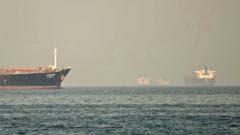
Shipping Disruption at Key Energy Chokepoint Rattles Global Markets
A collision involving two ships near the Strait of Hormuz has halted international shipping traffic at the entrance to one of the world's most strategically important waterways, triggering fresh concerns about global energy supply chains and pushing oil prices higher.
The incident, reported by BBC News, has brought maritime traffic at the strait's entrance to a standstill, though specific details about the vessels involved — including their names, flags, and ownership — have not yet been confirmed publicly.
Why the Strait of Hormuz Matters
The Strait of Hormuz, a narrow waterway between the Arabian Peninsula and Iran, is the single most important chokepoint in global energy trade. Approximately 21% of the world's petroleum supply passes through it annually, making any disruption there a matter of immediate international concern.
Major oil-producing nations including Saudi Arabia, the United Arab Emirates, Kuwait, and Iraq all rely on the strait to export their crude oil to markets in Asia, Europe, and beyond. A prolonged shutdown — even a partial one — can have cascading effects on global fuel prices and supply chains.
Markets React to Supply Fears
News of the incident has already moved energy markets, with global oil prices rising in response to fears that the disruption could extend beyond the immediate collision. Traders and analysts typically react swiftly to any threat to Hormuz traffic, given the strait's outsized role in global energy logistics.
The extent of any price increase and how long shipping traffic may remain affected were not immediately specified in early reports.
Incident Details Remain Scarce
Key specifics about the collision — including the date and time of the incident, the condition of the vessels and their crews, the nature of any cargo, and whether the disruption was caused by the collision alone or by a broader safety response — had not been publicly confirmed at the time of reporting.
Authorities and maritime safety organizations had not yet issued detailed public statements on the cause of the collision or the timeline for resuming normal traffic flow.
A Recurring Vulnerability
The Strait of Hormuz has been a flashpoint for geopolitical tensions and maritime incidents in recent years. Past episodes of tanker seizures, drone strikes on vessels, and heightened military activity in the region have repeatedly demonstrated how vulnerable global energy markets are to disruptions at this narrow chokepoint — which, at its narrowest point, is only about 33 kilometers wide.
Shipping companies, insurers, and energy market participants are expected to monitor the situation closely as further details emerge.
This story is developing. Specific details about the vessels involved and the duration of the shipping disruption have not yet been independently confirmed.
Credibility Assessment~Unverified
Verdict: Unverified — Verified by TruthPulse AI