Two Ships Collide Near Strait of Hormuz, Halting Traffic and Pushing Oil Prices Higher
A collision involving two vessels near the Strait of Hormuz has brought international shipping to a reported standstill at the entrance to one of the world's most critical energy corridors. The incident is already fueling concerns about supply disruptions, with global oil prices rising in response.
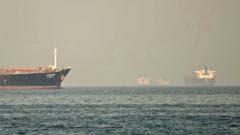
Shipping Halted at Key Energy Chokepoint After Vessel Collision
Two ships have collided near the Strait of Hormuz, one of the world's most strategically vital maritime passages, triggering a halt in international shipping traffic at the strait's entrance and sending ripples through global energy markets.
The incident, first reported by BBC News, has raised immediate concerns about the uninterrupted flow of oil and goods through a waterway that serves as a critical artery for the global economy. Fears of prolonged disruption are already contributing to rising oil prices worldwide.
Why the Strait of Hormuz Matters
The Strait of Hormuz, a narrow channel separating the Persian Gulf from the Gulf of Oman, is widely regarded as the world's most important oil transit chokepoint. The waterway handles an estimated 20 to 30 percent of globally traded oil, connecting major crude exporters — including Saudi Arabia, the United Arab Emirates, Kuwait, Iraq, and Iran — to markets across Asia, Europe, and beyond.
Any significant disruption to shipping through the strait has historically triggered swift reactions in energy markets, given the volumes involved and the limited alternative routes available to tanker traffic.
Market Reaction
Traders and analysts are closely monitoring the situation as oil prices begin to reflect the uncertainty. While the full scale of the disruption remains to be assessed, market sensitivity to Hormuz incidents is well established. Even short-term interruptions to tanker movements can translate into measurable price increases for crude oil benchmarks.
The shipping halt at the strait's entrance suggests that vessel operators are exercising caution in the immediate aftermath of the collision, a standard precautionary response to incidents in congested or strategically sensitive waters.
Details Remain Limited
Specific details about the vessels involved — including their names, flags, cargo, and the precise circumstances of the collision — have not yet been confirmed. The BBC reported that shipping is "said to have" come to a standstill, language indicating the situation was still developing at the time of initial reporting.
Maritime authorities and regional coast guards were expected to respond to the scene, though no official statements had been released at the time of publication.
A Historically Volatile Waterway
The Strait of Hormuz has long been a focal point of geopolitical tension, particularly involving Iran, which has periodically threatened to close the strait during periods of heightened regional conflict. The waterway has also been the site of previous vessel seizures, attacks on tankers, and navigational incidents that have tested the resilience of global energy supply chains.
This latest collision adds to a pattern of disruptions that have kept shipping insurers, energy traders, and governments on alert in recent years.
Authorities are expected to provide further updates as the investigation into the collision gets underway and as the impact on shipping schedules becomes clearer.
Credibility Assessment~Unverified
Verdict: Unverified — Verified by TruthPulse AI